
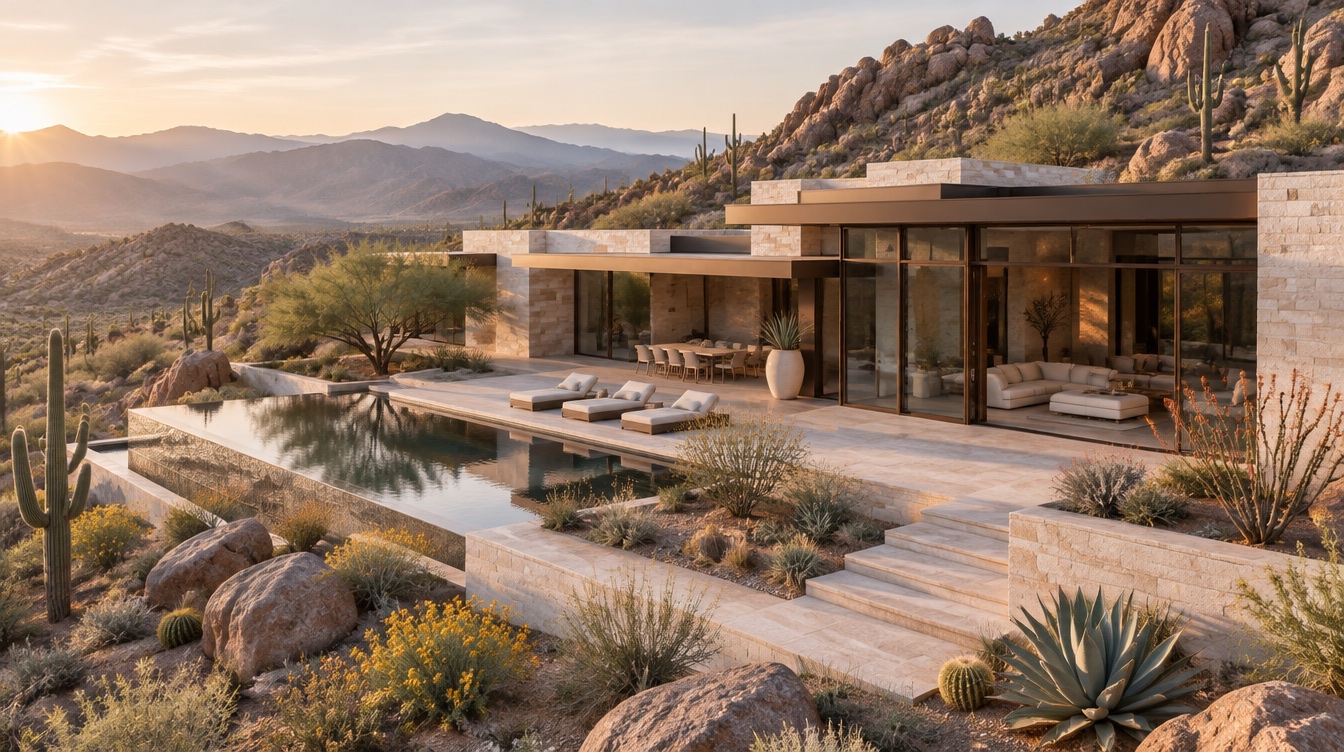
Conceptual Arizona desert hillside editorial, not a photograph of Clearwater Hills

Paradise Valley address · Hillside living

Clearwater Hills,
look closer.

A dramatic arrival is only the beginning. Learn how the parcel, jurisdiction, terrain and home itself shape a Clearwater Hills purchase.

Talk through a Clearwater Hills search
Scroll to explore

The neighborhood

A hillside address.
A property-specific decision.

Clearwater Hills is an established residential enclave near the Phoenix Mountains, commonly searched with Paradise Valley. The hillside setting and controlled entrance are part of its appeal, but no two lots provide the same view, access or building possibilities.

What you see

At the house, look from the rooms and outdoor spaces you would actually use. Check whether the mountain or city-light view survives from a seated position, whether neighboring roofs enter the sightline and how the west sun changes an afternoon on the terrace.
How you arrive

Drive the approach at the times you would normally come home. Grade, turns, guest access and the relationship between the gate, garage and main rooms can change the daily experience of an otherwise beautiful hillside property.

What you own

Walk the parcel with questions about slope, drainage, retaining structures, landscape, outdoor systems and the space available for a future change. The usable land may matter more to your plans than the lot size on a listing sheet.

The Town of Paradise Valley’s area map identifies Clearwater Hills and surrounding boundaries. Use the actual parcel record for a purchase decision.

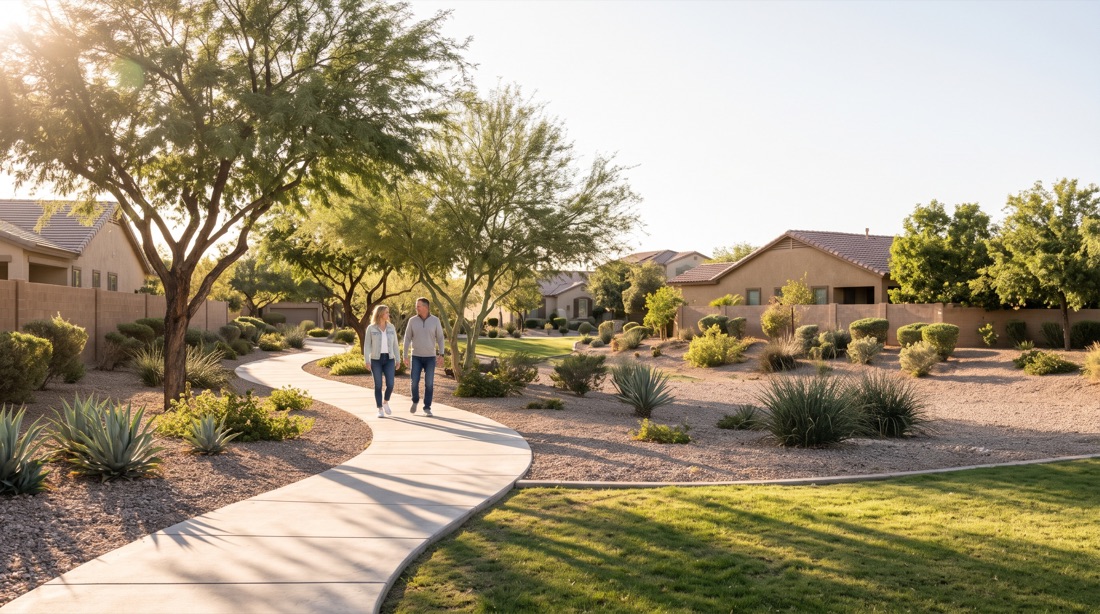
Conceptual Arizona residential landscape editorial, not Clearwater Hills photography

A distinction worth checking

Paradise Valley address.
Which jurisdiction?

A mailing address does not answer every question about a parcel.

Part of Clearwater Hills is an unincorporated Maricopa County island, while portions of the subdivision have been annexed into the Town of Paradise Valley. A 2026 Maricopa County case in Clearwater Hills states that distinction expressly. Before assuming the Town’s zoning, hillside process or permit history applies, verify the jurisdiction of the exact assessor parcel.

For a county parcel, use Maricopa County’s planning, zoning and permit resources. For a parcel inside Town limits, use Paradise Valley’s maps and development resources. An association may have its own review requirements as well; a public permit does not automatically settle private restrictions.

County record explaining the island ↗   County parcel maps ↗

Discuss a specific address

The hillside lens

The view is a feature.
The land is part of the house.

Hillside ownership deserves a different inspection conversation from a level-lot tour.

Site and structure

Ask qualified inspectors and specialists about grading, drainage paths, retaining walls, roof access and any movement or water-management history. Request available plans and permits for major renovations. The goal is to understand the specific home, not to presume every hillside property has the same issue.

Improvements you imagine

If a pool, addition, guest space, solar installation or landscape redesign is central to the purchase, investigate feasibility before relying on it. The Town’s Hillside Building Committee reviews land disturbance, heights, lighting, materials, grading and drainage for applicable Town parcels. County parcels have a separate process; association documents may add another layer.

Town hillside review ↗   County residential permits ↗

Ownership rhythm

Compare the home’s exposure, access, landscape care, pool and exterior systems with the amount of attention you want to give it. Ask who maintains the approach and any shared areas, and review the current association budget, assessments, insurance information and governing documents for the exact lot.

An offer with a clearer picture

Three steps before
you fall for the view.

The right questions can make a first visit far more productive.

1. Define the experience

Decide what privacy means to you: a quiet arrival, separation from neighboring windows, a protected outdoor room or a particular view from the primary suite. Ask which spaces need to work year-round. That gives every tour a consistent standard beyond the asking price and photography.

2. Verify the parcel

Use the assessor parcel number to check jurisdiction, zoning and any applicable hillside designation. Ask for the current survey, title materials, easements and association information. If a feature depends on future construction, ask the appropriate authority and design professionals about the specific proposal instead of assuming it can be done.

3. Price the ownership

Review service records and request estimates for the major upkeep your chosen home actually requires. A second home may call for a different plan for security, landscape, pool and systems than a primary residence. Have qualified professionals evaluate any site or structure concerns during the transaction’s due diligence period.

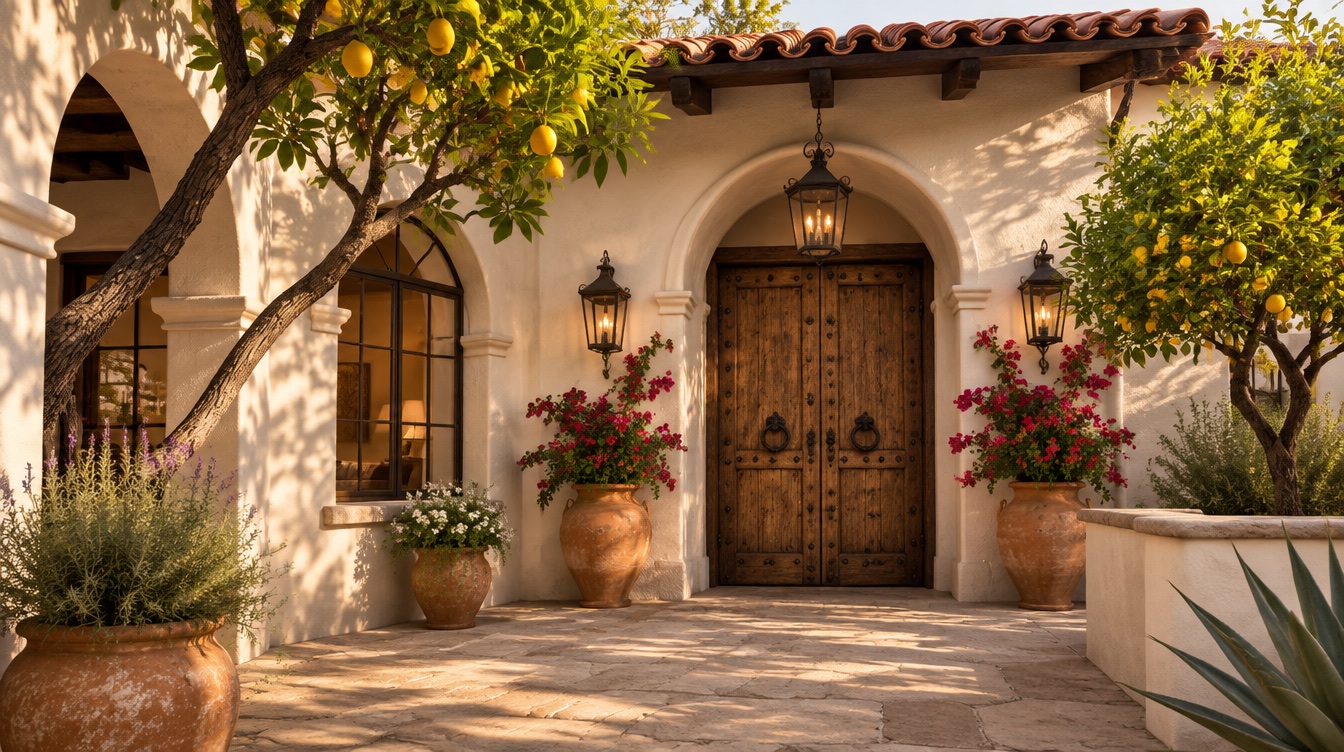
Conceptual Arizona architectural courtyard, not a Clearwater Hills property

The comparison

Privacy, views
and practical fit.

An elevated lot can be striking without being the right fit for every buyer.

Compare Clearwater Hills with other Paradise Valley settings by your actual priorities. A flatter estate lot may offer a different relationship to gardens, outdoor entertaining and future changes. A newer lock-and-leave residence may shift the maintenance burden but also change the sense of space. The useful comparison is not a prestige ranking; it is how each address serves your life.

When you tour two homes, keep the same notes: view from the primary rooms, privacy from adjacent properties, approach and parking, condition of major systems, site work, document status and the questions that remain unanswered. Return at another hour when light or traffic matters to the decision.

Compare homes with Tiffany

Clear answers

Clearwater Hills
buyer questions.

Is Clearwater Hills in the Town of Paradise Valley?

Some portions are within the Town and others are in an unincorporated Maricopa County island. A Paradise Valley mailing address alone is not enough to determine jurisdiction. Check the exact parcel against current official maps and records.

Does every home have the same view?

No. Elevation, orientation, neighboring construction and the placement of living spaces differ by lot. Tour for the views you will use, at the times that matter to you.

Can I remodel or change the landscape?

That depends on the parcel, proposed work and current rules. Verify the appropriate Town or County permit path and review the property’s association documents before treating a plan as feasible.

What should I request before buying?

Start with the current disclosures, title and survey information, association package, permit and improvement history, and available service records. Have the right specialists assess the structure and site questions raised by this particular home.

For a step-by-step parcel research path, read Why a Paradise Valley address needs a jurisdiction check.

Research checked November 23, 2026. Boundaries and requirements must be confirmed for the parcel under consideration. Explore Paradise Valley or compare Silverleaf. Official sources: Town history, County Clearwater Hills case, and County parcel maps.

Team TLC · Greater Phoenix

A better home search
starts with the right questions.

A practical Arizona homebuyer checklist from Team TLC: the property, the neighborhood and the obligations behind ownership.

Inside the checklist

Neighborhood fit · Property records · Inspection priorities · Offer-to-closing decisions

Keep these questions close as you explore. Tiffany can help you turn them into a plan for your next move.

Before your next move

Your Arizona homebuyer checklist.

Before you tour

  • Define your preferred neighborhoods, regular destinations and nonnegotiable home features.
  • Set a realistic purchase range with a qualified lender or your own cash plan.
  • Compare total carrying costs: taxes, insurance, utilities, association dues and maintenance.
  • List the compromises you would actually make, versus those you would regret.

Understand the property

  • Confirm the exact municipal jurisdiction, boundaries, recorded easements and permitted use.
  • Review seller disclosures and available records for repairs, renovations and additions.
  • Read association governing documents, budgets, reserves, insurance and assessments where applicable.
  • For hillside or desert lots, ask about drainage, access, terrain, irrigation and any special rules.

Inspect with intention

  • Hire qualified inspectors for major systems and any specialist property features.
  • Check roof, cooling, plumbing, electrical, exterior surfaces and signs of water intrusion.
  • Assess pools, landscaping, irrigation and the real labor involved in maintaining outdoor space.
  • Visit at another time of day to understand sunlight, privacy, noise and everyday routes.

Offer through closing

  • Discuss agency representation, earnest money, contingencies and the written offer timeline.
  • Confirm financing, appraisal, title, escrow and insurance requirements with the responsible professionals.
  • Track contract deadlines and respond to inspection findings with qualified advice.
  • Complete the final walk-through and verify the required documentation before closing.